To Be The Best Grey Board Supply Chain In The World


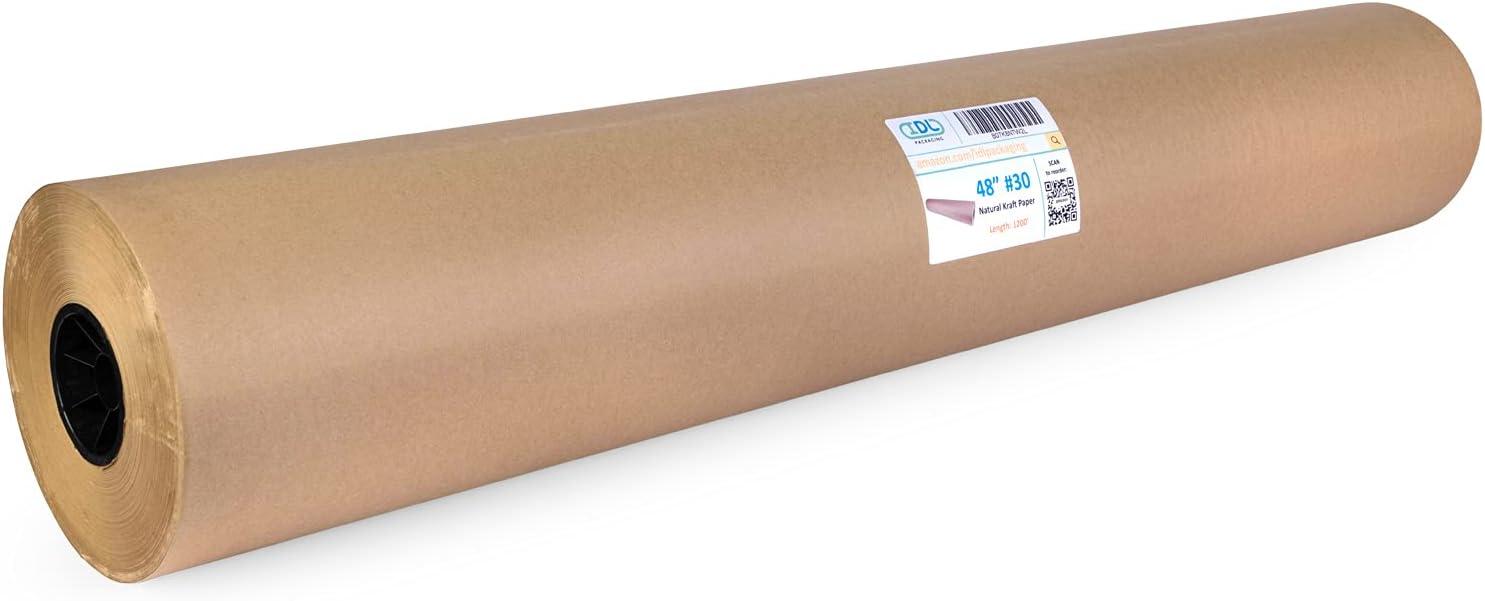
The Characteristics and Application Scenarios of Kraft Paper in Heavy-Duty Wrapping
In the global industrial packaging and logistics industry, reliable protective packaging materials are the core guarantee for safe transportation, storage, and delivery of heavy goods. Among countless packaging materials, heavy-duty kraft paper has become a mainstream solution for industrial heavy wrapping worldwide. It stands out for its exceptional mechanical strength, excellent durability, cost-effectiveness, and eco-friendly attributes. Unlike ordinary kraft paper used for daily gift wrapping and light packaging, heavy-duty kraft paper is specially engineered for high-load, high-friction, and harsh environmental industrial scenarios.
This blog will comprehensively analyze the core characteristics of heavy-duty kraft paper and its mainstream application scenarios in heavy-duty wrapping, helping global industrial buyers, packaging suppliers, and manufacturing enterprises understand its industrial value and application advantages.
1. Core Characteristics of Heavy-Duty Kraft Paper for Heavy Packaging
Heavy-duty kraft paper is manufactured through a strict kraft pulping process, using high-purity softwood pulp with a cellulose content of over 96%. Its unique structural and physical properties make it fully adaptable to the rigorous requirements of heavy industrial packaging, with five irreplaceable core advantages.
1.1 Superior Tear and Tensile Strength
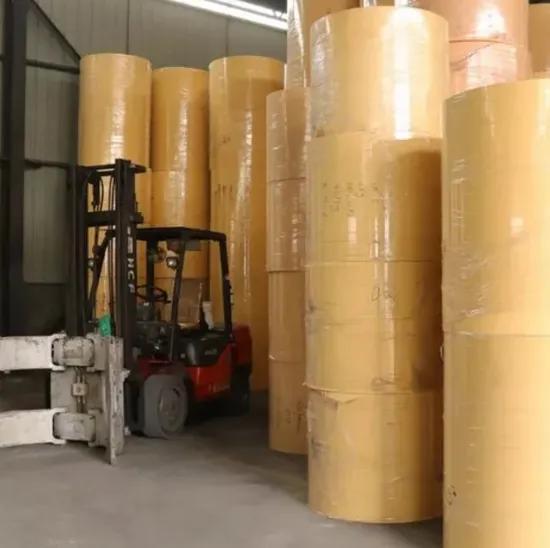
Strength is the most prominent feature that distinguishes heavy-duty kraft paper from ordinary packaging paper. With optimized fiber weaving structure, it boasts ultra-high tensile strength and longitudinal/transverse tear resistance. Its tensile strength index reaches 79–98 kNm/kg, and the break elongation rate is maintained at 6%–10%. During the wrapping and transportation of heavy machinery, hardware accessories, and building materials, it can resist strong pulling, friction, and extrusion forces. It does not crack or break easily even under long-distance logistics vibration and stacking pressure, providing stable structural protection for heavy goods.
1.2 Excellent Wear and Pressure Resistance
Industrial heavy goods often have rough surfaces, sharp edges, and heavy weight. Heavy-duty kraft paper features high density and thickened grammage, with outstanding wear resistance and bursting strength (350–550 kPa Mullen). It can effectively isolate friction between goods and logistics equipment, prevent surface scratches, and bear the pressure of multi-layer stacking in warehouses. Whether used for single-item wrapping or interval padding of bulk heavy goods, it maintains complete structural integrity and avoids packaging damage caused by sharp friction or heavy compression.
1.3 Moderate Moisture and Corrosion Resistance
Most industrial heavy goods face complex storage and transportation environments, including humid warehouses, long-distance sea freight, and temperature changes. Standard heavy-duty kraft paper has natural moisture-proof properties. After special wax coating or waterproof treatment, it can further resist moisture penetration, preventing metal parts from rusting and hardware/building materials from damp deformation. In addition, VCI-treated heavy-duty kraft paper has anti-corrosion functions, which can form a protective layer on the surface of metal workpieces to isolate air and moisture, effectively extending the storage cycle of industrial metal products.
1.4 Eco-Friendly and Recyclable Compliance
Against the backdrop of global carbon neutrality and green packaging policies, heavy-duty kraft paper has unique environmental advantages. It is made of natural wood pulp, completely biodegradable and recyclable, with no toxic and harmful substances. It fully complies with the environmental certification standards of Europe, America, Southeast Asia and other regions. Compared with non-degradable plastic packaging, it helps enterprises reduce environmental compliance costs and meet the green procurement requirements of international brands.
1.5 High Cost-Performance and Customizability
Heavy-duty kraft paper has lower material and processing costs than industrial plastic films, corrugated hard paperboards, and metal packaging materials. Meanwhile, it supports diversified customization including grammage adjustment, waterproof coating, anti-corrosion treatment, and printing branding. It can be cut and bent freely without special equipment, adapting to the wrapping requirements of irregular heavy goods. It balances industrial protection performance and economic benefits perfectly, making it suitable for large-scale industrial batch use.
2. Main Application Scenarios of Heavy-Duty Kraft Paper in Heavy Wrapping
Relying on its superior physical properties, heavy-duty kraft paper is widely used in heavy packaging scenarios across multiple industrial fields. It covers core industries such as machinery manufacturing, hardware processing, building materials, automotive, and logistics warehousing, solving various protection pain points in heavy goods transportation and storage.
2.1 Heavy Machinery and Equipment Packaging
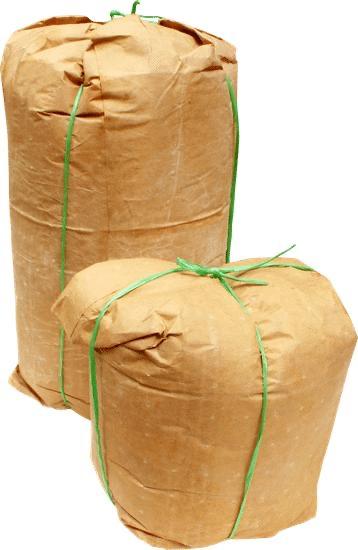
Large industrial machinery, mechanical parts, and precision casting components are typical heavy packaging objects. These products have heavy weight, irregular shapes, and high surface protection requirements. Heavy-duty kraft paper is the preferred inner wrapping material. It can wrap the whole machine or individual parts, isolate dust, moisture and scratches during transportation and storage, and avoid collision wear between metal parts. At the same time, its good toughness can buffer slight vibration and impact in logistics, effectively protecting precision mechanical structures.
2.2 Automotive Parts and Metal Component Wrapping
The automotive industry has extremely strict packaging standards for metal stamping parts, engine accessories, chassis parts, and hardware fasteners. VCI anti-corrosion heavy-duty kraft paper is widely used in automotive supply chain packaging. It is used for interleaving stacking of steel plates and iron parts, as well as overall wrapping of bulk auto parts. It can prevent metal oxidation and corrosion during sea freight and long-term warehouse storage, while avoiding surface friction scratches, ensuring the intact rate of auto parts in cross-border logistics.
2.3 Building Materials and Hardware Product Packaging
Building materials such as wooden boards, metal steel strips, aluminum profiles, and bulk hardware accessories are heavy and easy to wear. Heavy-duty kraft paper is used for integral wrapping and layered padding of these building materials. Its high wear resistance can protect the smooth surface of metal profiles and wooden building materials from scratches. Its pressure resistance can adapt to multi-layer stacking and container loading pressure. The waterproof and moisture-proof treated kraft paper can also prevent building materials from damp deformation and rust during outdoor storage and ocean transportation.
2.4 Industrial Logistics and Pallet Wrapping
In warehousing and cross-border logistics, heavy-duty kraft paper is commonly used for pallet bottom padding and cargo integral wrapping. It isolates goods from pallets and container bottoms, preventing dust pollution and moisture erosion. For bulk stacked heavy goods, it can fix scattered parts, reduce cargo shaking during transportation, and improve the stability of container loading. Compared with plastic winding films, it is more environmentally friendly and easy to disassemble and recycle, optimizing the overall logistics packaging process.
2.5 Large Furniture and Heavy Commodity Protection
In the transportation of solid wood furniture, metal furniture and large household appliances, heavy-duty kraft paper serves as the primary surface protective wrapping material. It covers the surfaces of plates, glass and metal accessories to avoid scratches, collisions and dust accumulation during handling and long-distance transportation. With flexible cutting performance, it can fit irregular furniture structures, providing all-round surface protection without damaging product appearance.
3. Why Choose Heavy-Duty Kraft Paper for Industrial Heavy Wrapping?
In the industrial heavy packaging market, many enterprises still choose plastic packaging and ordinary paper packaging, but these materials have obvious limitations. Plastic packaging is poor in air permeability, non-degradable, high in environmental cost, and easy to age and damage; ordinary paper is low in strength, easy to tear, and unable to bear heavy-load protection.
Heavy-duty kraft paper perfectly makes up for the shortcomings of traditional materials. Its industrial-grade strength meets heavy-load protection needs, its environmental attributes comply with global green policies, and its customizable performance adapts to diverse industrial scenarios. It is not only a cost-effective packaging solution, but also a standardized industrial packaging material recognized by global supply chains.
4. Conclusion
As a mature and high-performance industrial packaging material, heavy-duty kraft paper relies on its high strength, wear resistance, moisture resistance, environmental protection and high cost-performance. It has become an indispensable core material in heavy-duty wrapping scenarios such as machinery, auto parts, building materials and logistics.
With the continuous upgrading of global industrial packaging standards and the increasing awareness of green environmental protection, heavy-duty kraft paper will replace more traditional non-environmental packaging materials. It will further expand its application scope in cross-border logistics and industrial manufacturing. For enterprises pursuing stable protection, cost control and green compliance, heavy-duty kraft paper is the most reliable long-term heavy packaging solution.